Construction InspectionsBy PrimeCheck · Updated 5 min read
A lock-up inspection checks accessible parts of a new home's external shell against the contract milestone before later work hides them. Learn what it can see, what it cannot confirm, and how to coordinate it with a Victorian progress payment.
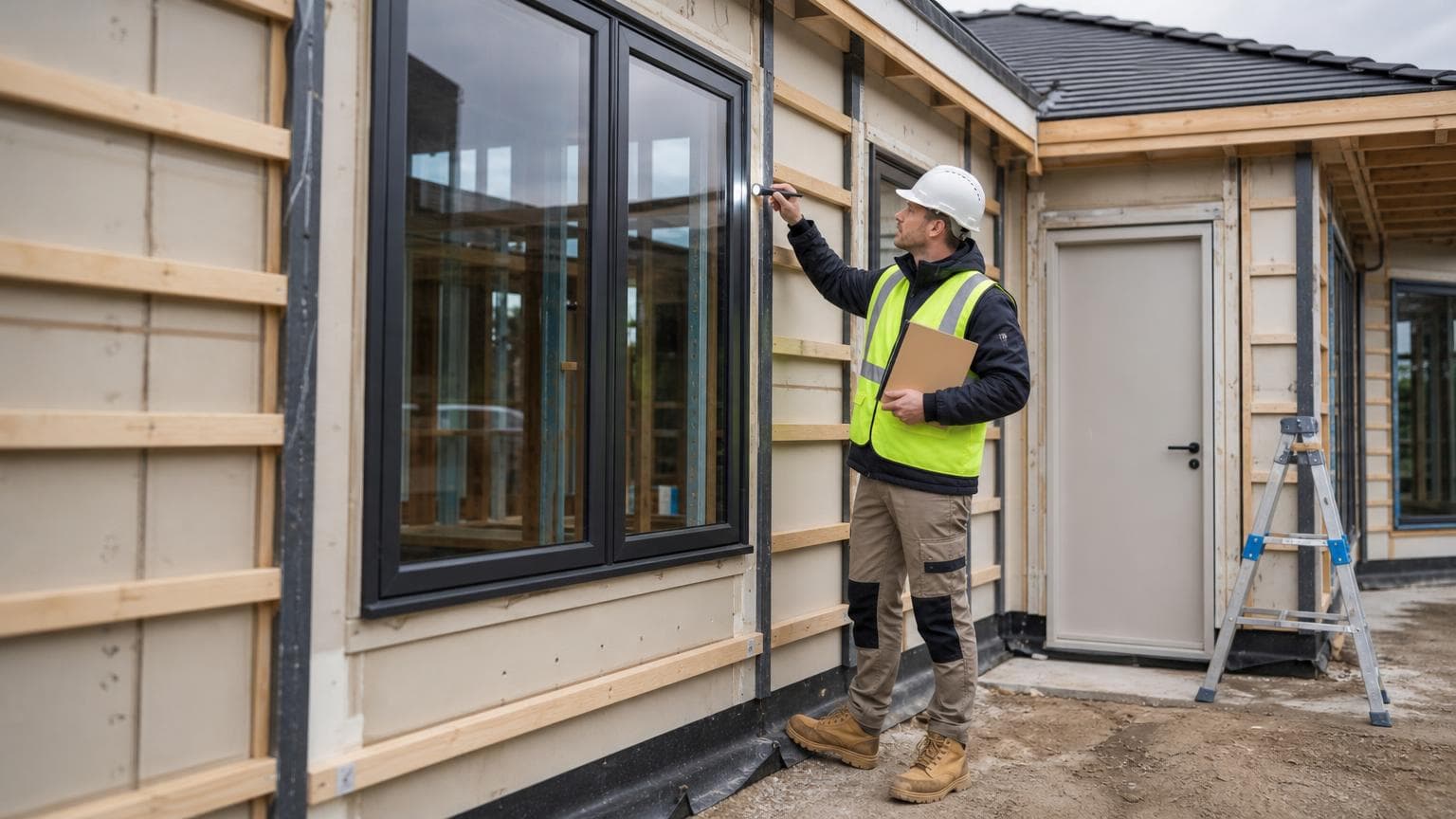
A lock-up stage inspection checks accessible windows, external doors, roof covering, external walls and visible penetrations after installation, before insulation or linings hide relevant work. It can identify visible defects or incomplete work before a progress payment, although the building contract determines whether those items belong to that payment stage.
For a Victorian project, use the contract's lock-up description to identify the required work, such as windows, external doors and roof covering. Treat lock-up as a construction milestone, not a finished-building assessment. It does not replace frame-stage, fixing-stage or final handover inspections because each inspection occurs before different work becomes concealed.
Written by PrimeCheck Inspections. PrimeCheck inspectors are fully licensed and insured, with backgrounds in construction, engineering and defect identification. PrimeCheck states that its reports refer to AS 4349.1 for property inspections and AS 4349.3 for timber pest inspections.
Start with the contract milestone
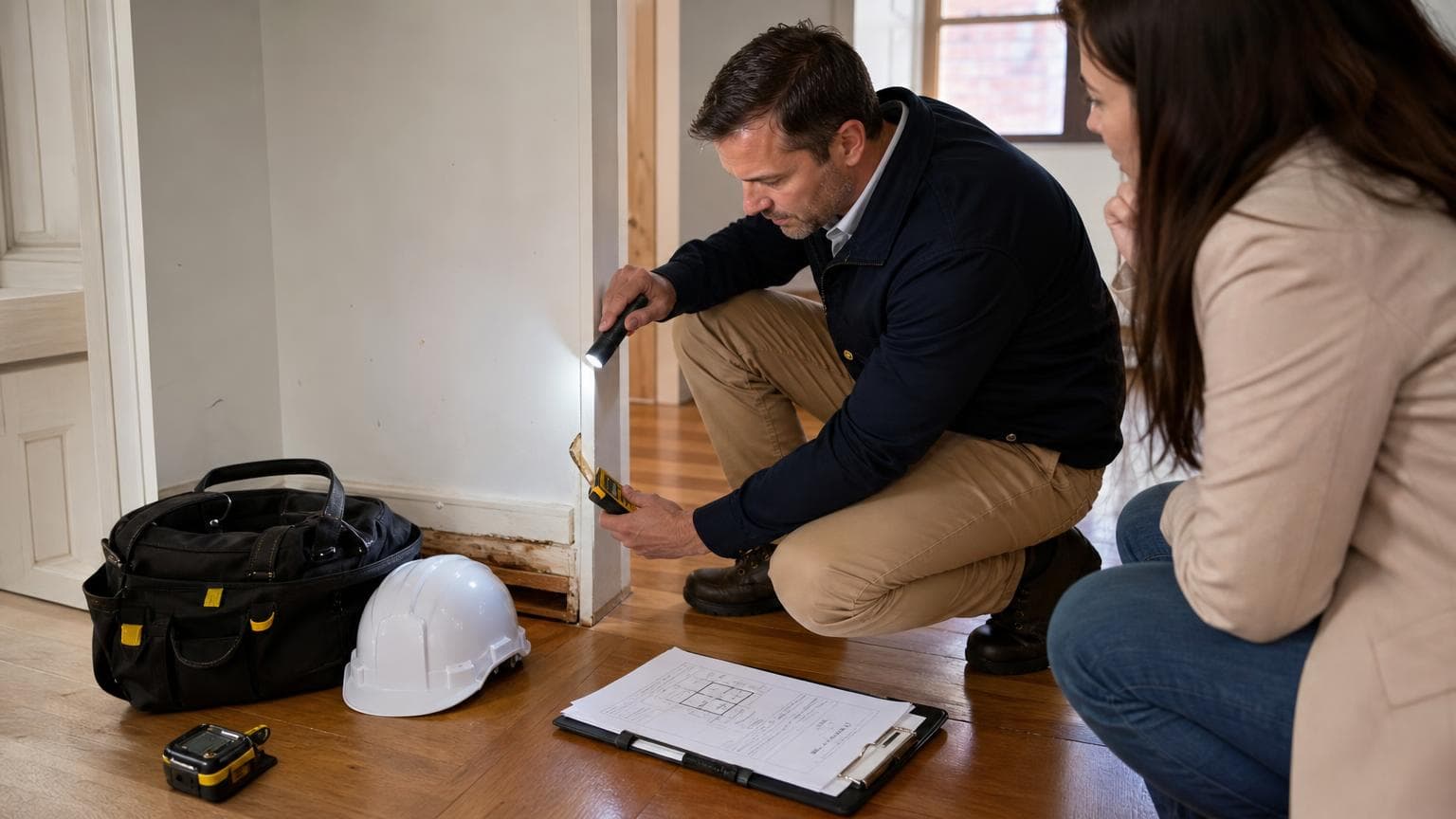
At lock-up, an independent inspector compares accessible windows, doors, roof work and external surfaces with the contract milestone, records locations with photographs and separates incomplete work from visible defects. The practical test is whether the items listed in the payment schedule are complete and visibly satisfactory, not whether the house simply looks enclosed.
The phrase lock-up does not carry an identical checklist on every project. One contract may include windows, external doors and roof covering, while another may divide those items between stages. Read the payment schedule before booking and ask the builder to confirm the milestone in writing.
What the inspection can actually see
The appointment may cover the visible roof exterior, external walls, windows, doors, penetrations, visible drainage points and accessible internal areas. It cannot assess a wall, ceiling or service that the inspector cannot reach or see, so the report should identify excluded and inaccessible areas.
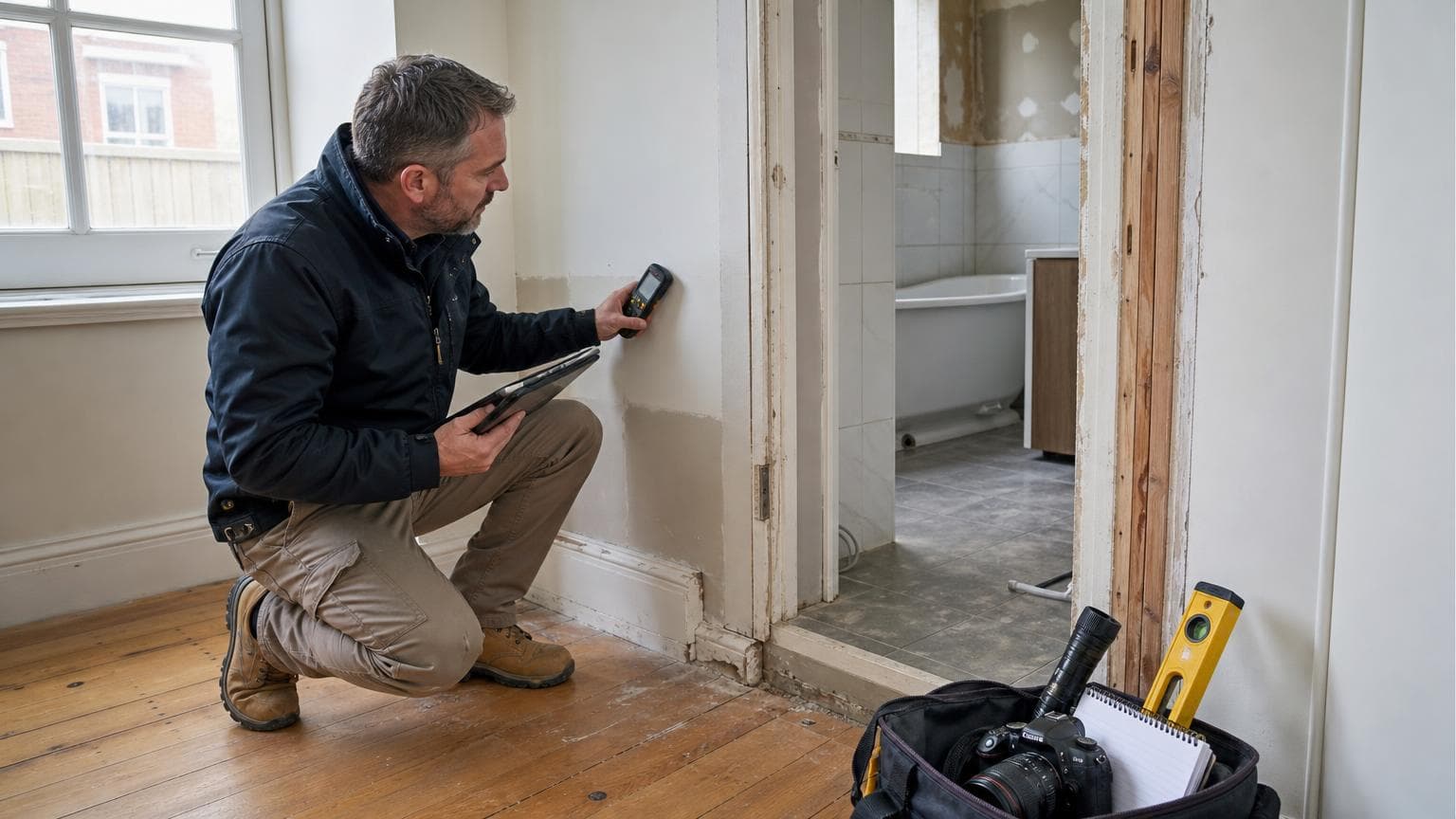
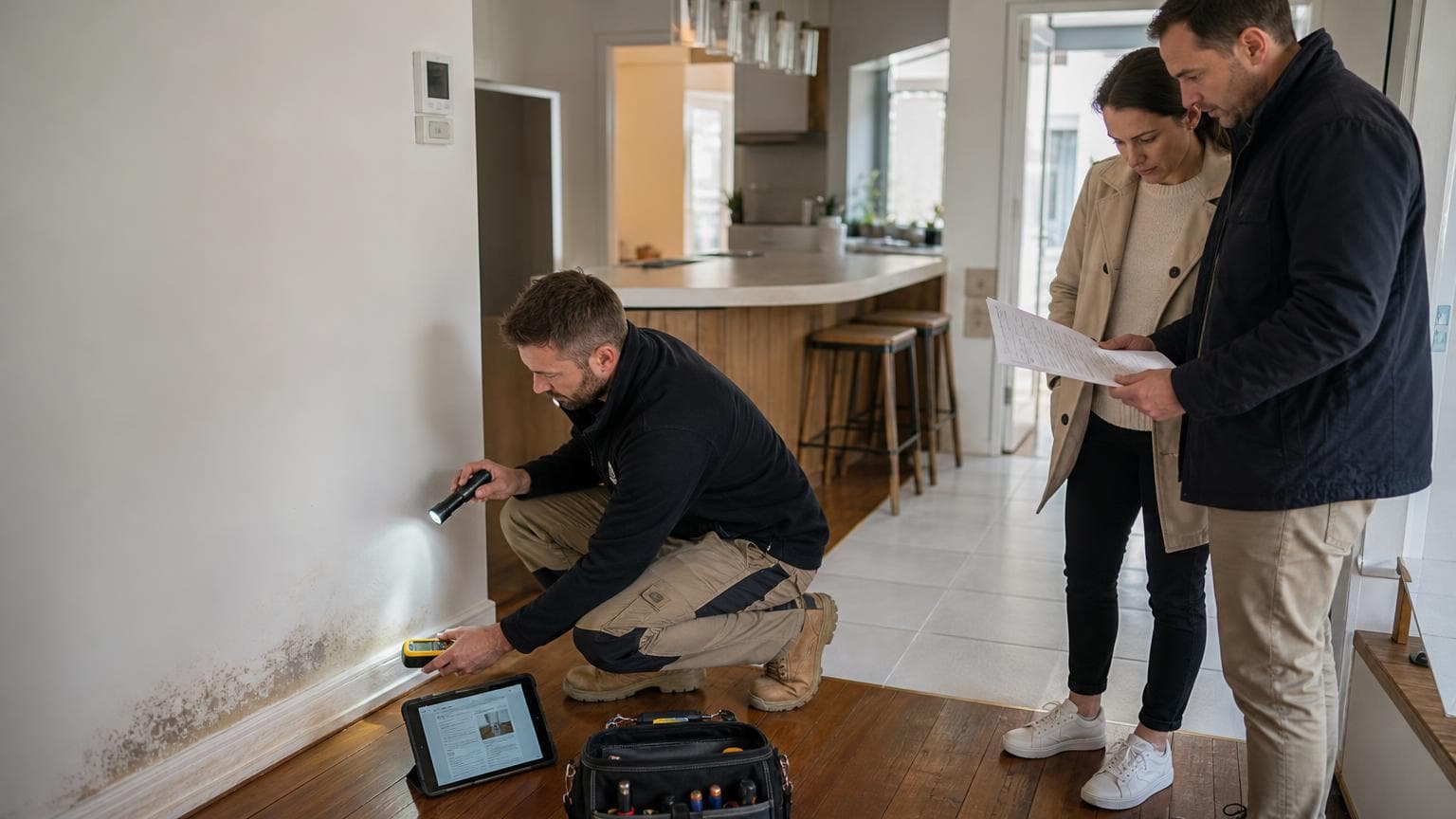
Thermal imaging and a ME5 moisture meter may add information when site and weather conditions allow. Neither tool looks behind a lining or proves the cause of a concealed defect. A useful report links each observation to a location, includes photographs and distinguishes a visible defect from an item that needs confirmation from the builder.
PrimeCheck Inspections uses fixed pricing with no hidden costs and provides support to explain the report and possible next steps. That support does not amend the building contract or direct the builder to complete work.
Prioritise water and access risks
Unexplained moisture or water entry deserves priority near window and door openings, roof junctions, wet areas and the base of external walls. The next action depends on the location, whether moisture is active, and whether sealing, drainage or weatherproofing work remains accessible.
Do not rank a defect by the drama of its photograph. Check water involvement first, then whether the area will soon become inaccessible, and then whether the issue affects safety, structure or the building envelope. Those factors matter more than a minor surface blemish.
Do not use a lock-up inspection as a substitute for opening-up work or specialist testing. It will not confirm concealed defects behind finished linings, underground drainage performance or elements outside the agreed scope. If you need certainty about a hidden cause, obtain the builder's response and appropriate technical advice.
Match the inspection to the decision
For a completed or established property, a pre-purchase inspection before making an offer is the safer starting point when the contract allows it. It assesses accessible defects before you commit, rather than relying on a construction-stage inspection for a new build still in progress.
A lock-up inspection suits someone who has already entered a building contract or is buying a new property during construction and wants an independent check at a defined milestone. It does not replace a Pre-Purchase Building Inspection in Melbourne for an existing property.
If the home is already complete, or you need an assessment before signing for an established property, choose the inspection that matches that decision instead. For a new build, confirm the contractual milestone before booking rather than relying on the phrase nearly enclosed.
Book around the builder's notice
There is no reliable universal duration for reaching lock-up. The timing depends on the design, site conditions, material availability, construction sequence, weather, builder scheduling and the wording of the contract. Different buildings on a multi-unit project can also reach the milestone at different times.
Use the builder's construction programme and written notice as the starting point. Arrange the inspection before the payment deadline, not after insulation, plasterboard or other coverings hide the work. Late booking can leave trades moving into the next stage before you record what was visible at lock-up.
Separate the inspection from payment advice
A lock-up label does not prove that a progress payment is due. The contract controls the payment stages, amount and evidence required. Compare the builder's request with the written schedule, and do not pay solely because a site message describes the property as locked up.
Before paying, confirm what the stage includes, what remains incomplete and whether the inspection has identified items requiring a written response. Keep the report, photographs, payment request and builder correspondence together. If you want to change the payment schedule, obtain written agreement and seek advice about the contract before acting.
Do not hold back or alter a payment without checking your contractual position. An inspection report records observations; it does not decide a payment dispute. For Victorian guidance about staged payments, consult Consumer Affairs Victoria's information on payment schedules and stages, and seek advice about the terms of a specific contract from a solicitor or qualified adviser.
Confirm four things before the visit
Construction stages are contract milestones, not universal labels with identical contents across every project. The inspection scope depends on what is visible and accessible on the day, even when the builder says the stage is complete.
Ask the builder for a written answer to four questions:
- Which work items mark completion of the lock-up stage?
- Which areas will remain accessible during the inspection?
- What payment becomes due, and on what date?
- Which incomplete items will the builder record for later completion?
This prevents a common mistake: treating lock-up as a quality certificate for the whole house. It is a point-in-time inspection. Later trades can introduce new defects, and concealed work may require an earlier inspection or separate evidence.
Service coverage across Victoria
PrimeCheck Inspections provides construction-stage inspection services across Melbourne and Regional Victoria, including Geelong, Ballarat, Bendigo and the Mornington Peninsula. The service area matters when coordinating travel, site access and the builder's notice around a progress milestone.
The inspection process does not change simply because a project sits in Melbourne or a regional Victorian location, but the contract, site conditions and construction programme can differ from one build to another. Confirm the property location and stage definition when requesting an inspection scope.
Choose the next inspection deliberately
Start with the construction contract, then ask the builder to confirm the lock-up milestone in writing. If you need an independent check during the build, review the Construction Stage Inspections service and request an inspection scope for the relevant date. PrimeCheck Inspections can also clarify whether a broader Building Inspection Service in Melbourne or Regional Victoria is the better fit.
- lock up stage inspection
- construction stage inspections
- new home inspections
- Victorian building inspections
- progress payments