Building InspectionsBy PrimeCheck · 7 min read
A useful building inspection in Geelong starts with the property type, construction stage and accessible areas, not the address alone. This guide explains what to confirm before booking and when a specialist inspection may be necessary.
Written by PrimeCheck - Building Inspections
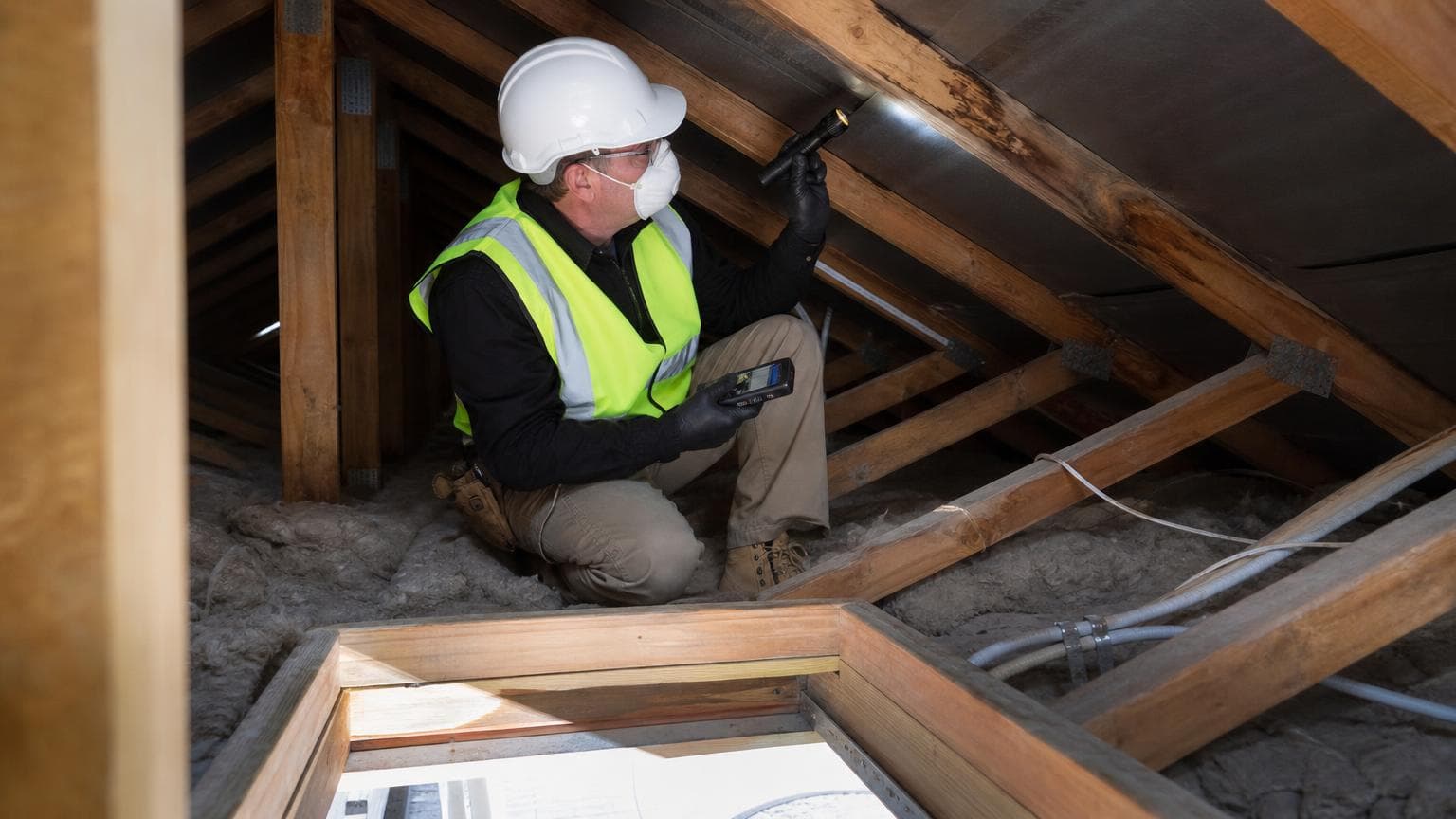
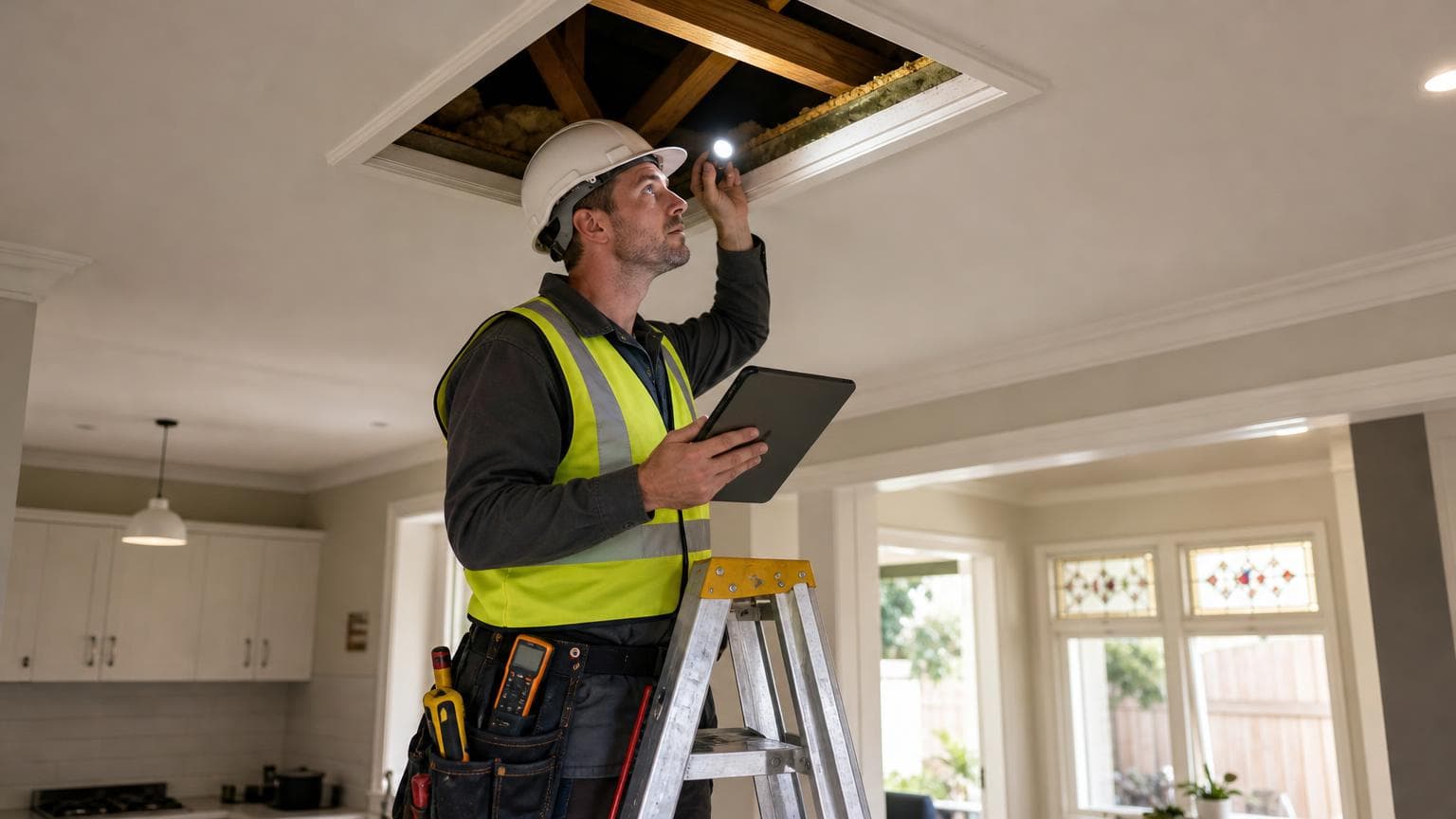
Before buying, building or leasing a property in Geelong, ask for the inspection scope in writing. It should state whether the inspector will examine accessible areas such as the roof space, subfloor, external walls and wet areas, and identify areas excluded because of access or safety limits. That distinction determines whether you need maintenance advice, specialist assessment or a repair discussion after the inspection.
Start with the inspection scope
PrimeCheck - Building Inspections provides independent building and pest inspections in Geelong, Melbourne and regional Victoria only. The agreed scope covers accessible building elements, and the report uses photographs and plain English to explain observations. Do not choose an inspector because of generic compliance wording. Compare the actual scope, the inspector's relevant qualifications and the way the report deals with areas that cannot be accessed.
For a property purchase, a pre-purchase building inspection is the usual starting point. Add a pest inspection when the property type, age, visible conditions or history make timber pests a relevant concern. The property type, age, access and inspection purpose determine the scope. PrimeCheck confirms the scope and quote before booking, and confirms report timing at booking. Choosing the wrong report can leave an important question outside the agreed scope, so confirm the purpose before paying for additional services.
PrimeCheck's other Victorian services cover commercial properties, construction stages, final completion and handover, Section 137B owner-builder reports, dilapidation records and VCAT or expert witness work. These services answer different questions, so a construction-stage report cannot substitute for a pre-purchase inspection. Read the available building inspection services in Victoria before choosing one.
Match the report to the property
Most buyers start with the property address, but that is backwards. Construction type and inspection stage determine what the inspector can assess, so a period home, a new home and an active building site need different access checks and different questions.
- Established and period homes: Victorian and Edwardian homes may require attention to visible damp conditions, subfloor areas and stumps where those areas are accessible.
- New-estate homes: the inspection may need to address newer construction, site drainage and visible workmanship across the accessible structure and finishes.
- Growth-corridor properties: reactive basalt clays occur in parts of Melbourne and surrounding growth areas. Cracking, movement and drainage observations need to be assessed against the accessible evidence rather than treated as proof of one cause.
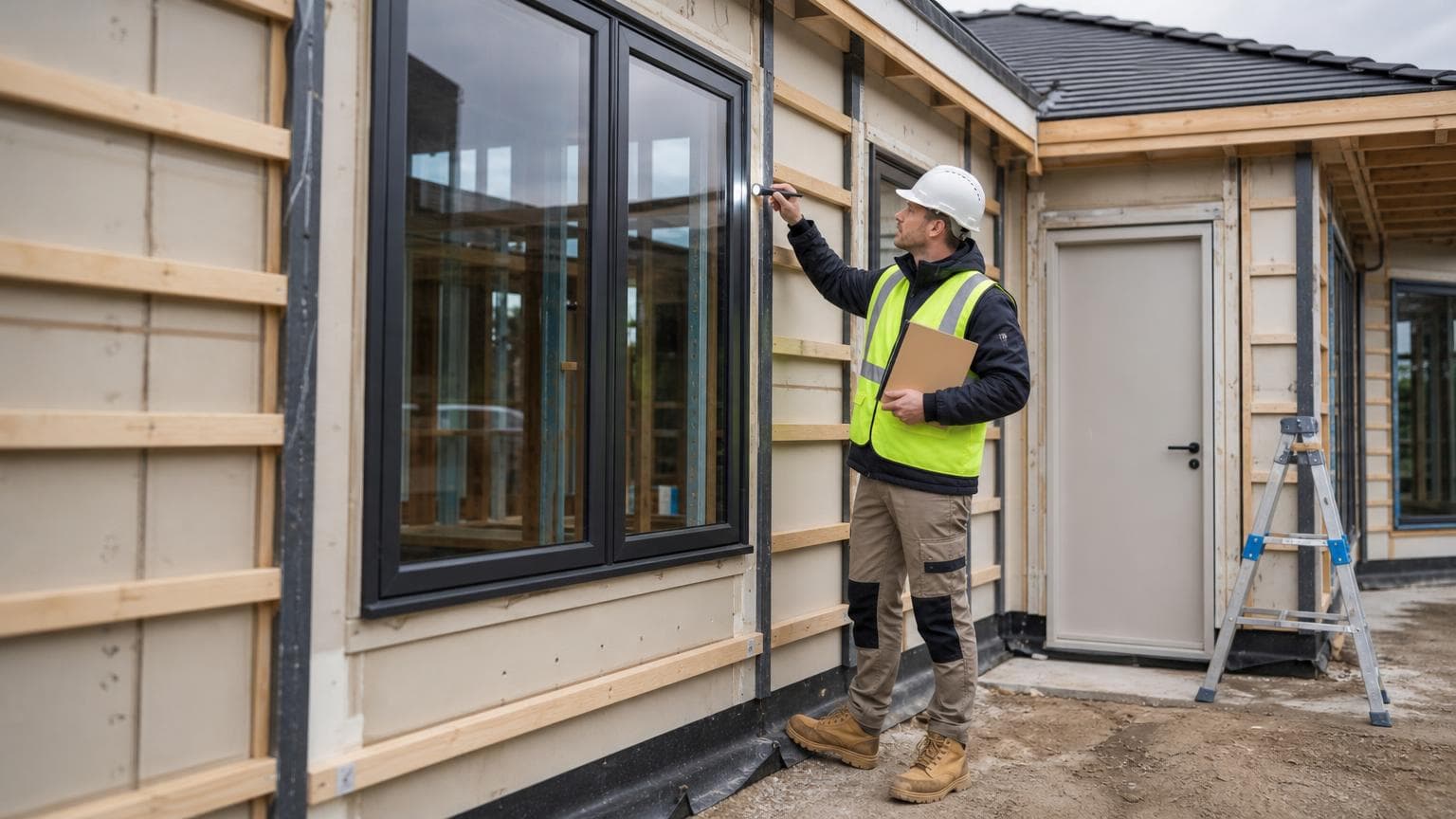
- Homes under construction: a pre-slab inspection cannot answer the same questions as a frame or handover inspection. Book the inspection for the actual construction milestone.
An inspector may use thermal imaging, moisture metering or laser levelling when the job needs those tools. Those tools support observations, but they do not provide access to concealed areas or establish a cause that the inspection cannot confirm.
What the report should establish
Builders and property professionals generally need a report to identify visible defects, incomplete work, moisture signs, movement and construction details that warrant further investigation. The inspector is not the builder's representative, so the report should remain independent of the party carrying out the work.
For a pre-purchase inspection, rank the questions this way:
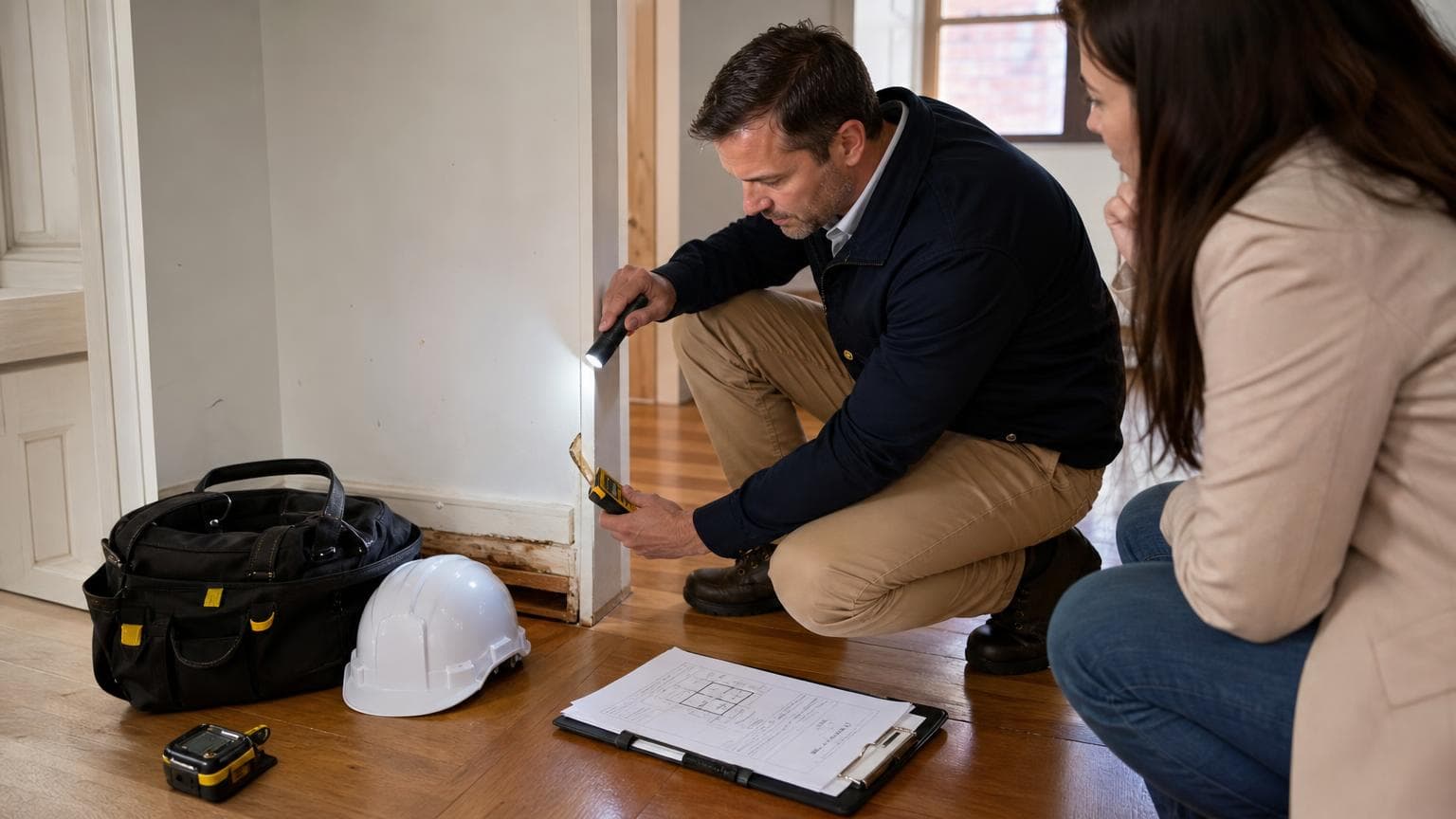
- What visible condition could affect the property? Look for observations such as cracking, dampness, damaged finishes or issues in accessible roof, subfloor and external areas.
- What does the evidence actually prove? A report should separate an observed condition from its suspected cause. If the cause cannot be established visually, the correct next step is further assessment.
- What decision follows? The report should identify whether the next step is maintenance, specialist investigation or a repair discussion.
Do not buy an inspection expecting a guarantee that the property has no defects. It does not cover concealed areas the inspector cannot safely access, and it does not replace a specialist assessment where the report recommends one. Buyers who already have a confirmed structural, engineering or pest issue should engage the relevant specialist rather than rely on a general inspection to solve it.
Check the inspector's Victorian credentials
There is no single qualification statement that answers every Victorian inspection situation. Registration and licensing requirements depend on the work being performed, so check current Victorian Building Authority information rather than relying on a provider's marketing description.
PrimeCheck is led by Sajjad Hosseini, who holds a Bachelor of Engineering in Structural and Civil Engineering and a Diploma in Building and Construction. PrimeCheck operates in Victoria and provides building and pest inspections across Melbourne and regional Victoria.
When comparing inspectors, rank a clear scope and relevant qualifications above a long equipment list. Portfolio presentation matters less than knowing who will inspect the property, which areas they will access and how the report will explain findings. Tools matter only when they support the inspection questions that apply to the property.
For Victorian registration and licensing information, consult the Victorian Building Authority building practitioner information.
Income is not a selection criterion
There is no reliable income ranking in the information available for this article, and earnings should not guide a property owner's choice of inspector. Income may vary by business structure, workload, report type, qualifications and the level of responsibility attached to the work.
For a client, scope is the useful comparison. A commercial inspection, expert witness report and pre-purchase inspection serve different purposes. Choose the inspector who can explain the relevant service, access assumptions, report timing and fee before booking. Do not pay for a more complex report until you know why its scope applies to your property.
Questions that expose the real scope
No evidence supplied for this page supports a claim that PrimeCheck or another provider is trusted by thousands of Australians. That claim should not replace checkable information. Assess who leads the business, where it operates, what the report includes and whether the scope is confirmed in writing.
PrimeCheck's stated advantages are practical: the business works for the client rather than agents or builders, covers Melbourne metro and regional Victoria, uses clear photo-backed reports in plain English and confirms scope and quote before booking. Report timing is also confirmed when you book.
Ask these questions before you commit:
- Does the provider inspect this property type and location in Victoria?
- Does the quote state the inspection scope and whether GST applies?
- Will the report include photographs and plain-English explanations?
- What areas cannot be inspected because of access or safety limits?
- Is a pest inspection included, or does it require a separate service?
Geelong booking considerations
Geelong is within PrimeCheck's Victorian service area, alongside Melbourne, Greater Melbourne, Ballarat, Bendigo, the Mornington Peninsula, the Surf Coast and other parts of regional Victoria. Coverage alone does not decide the right inspection. The property's age, construction stage, access and intended use determine the useful scope.
For a new build, confirm the milestone before booking because a slab, frame, lock-up or handover inspection addresses different visible work. For an established home, ask the inspector to confirm whether roof, subfloor and external areas are accessible. For a commercial tenancy, clarify whether the inspection is for an incoming tenant, an existing condition record, defects or another purpose.
Frequently asked questions
How much does a building permit cost in Geelong?
There is no single Geelong building permit price. The total depends on the proposed work, the building surveyor's involvement, the project's value and applicable Victorian fees or levies. Check the current Victorian Building Authority building permit guidance and obtain the permit cost from the appointed building surveyor before relying on a figure.
What do builders look for in a building inspection?
They look for visible evidence of defective, incomplete or deteriorated work within the agreed inspection scope. The report should also explain when the observed condition needs specialist investigation instead of claiming a cause that cannot be confirmed visually.
What qualifications do I need to be an inspector?
The answer depends on the inspection work and the Victorian requirements that apply to it. Check the Victorian Building Authority's current registration and licensing information, then ask the provider to identify the qualifications and experience relevant to the service you are buying.
What type of inspectors make the most money?
No dependable income comparison is available here. Commercial, construction, residential and expert witness work have different scopes, but earnings are not a sound basis for selecting an inspector for your property.
Get the right inspection before booking
If you are buying, selling, building or leasing a property in Geelong, call PrimeCheck or send the property details and inspection purpose. PrimeCheck - Building Inspections will confirm the scope and quote before booking, with report timing confirmed at that point. Get a quote for a pre-purchase building inspection in Victoria.
- building inspection Geelong
- pre-purchase building inspection
- building inspections Victoria
- property due diligence
- building and pest inspection