Building InspectionsBy PrimeCheck · Updated 7 min read
A dilapidation report creates a dated photographic record of a property's visible condition before nearby building work. Learn what it covers, what it cannot prove and how to define the inspection scope.
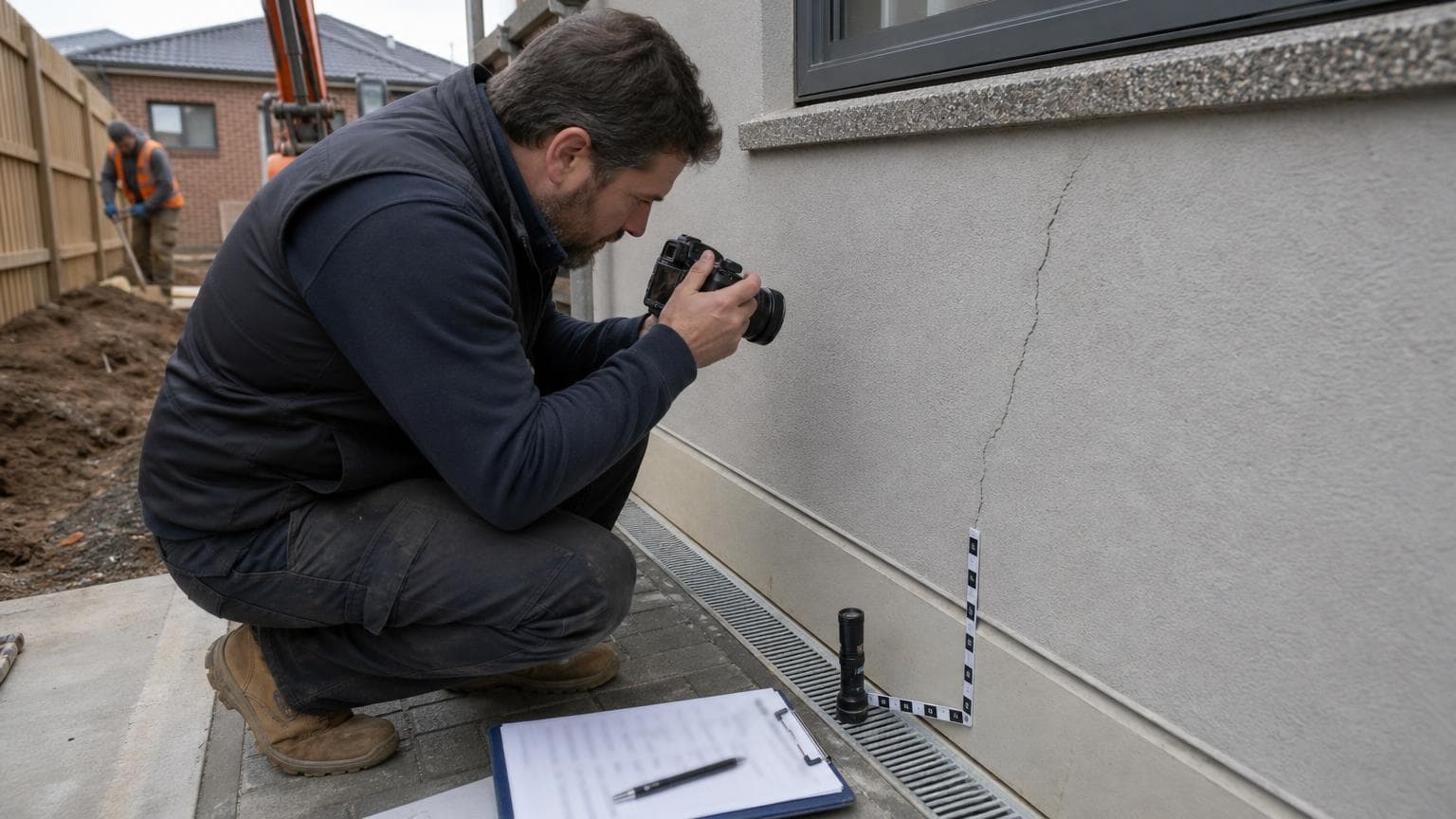
A dilapidation report is a dated baseline of a property's visible condition before nearby construction, demolition or excavation begins. It can record a photographed crack in a rendered wall, a marked section of paving or damage to a fence before the project starts, giving the parties a defined condition to compare later.
The short answer
The inspector records the inspection date, the property's visible defects, written descriptions, photographs and any access restrictions. The scope should identify whether it covers external elements, internal rooms, outbuildings or neighbouring structures, because an area outside the scope has no baseline in the report.
Most people start by asking whether the report predicts damage or proves who caused every crack. That is backwards. It records what the inspector could see at stated locations on a stated date, so it does not replace a structural assessment or establish causation. A later inspection can compare the same locations, but it cannot recreate a pre-work condition that nobody documented.
What this looks like in practice
The inspector first defines the inspection scope. That may include a neighbouring dwelling, retaining structures, fences, driveways, paving, outbuildings and other areas that could be relevant to the proposed work. Internal rooms may also matter if the construction activity could affect them or if the agreed scope includes them.
The report should identify each observed defect clearly rather than describe the property as simply good or poor. A useful entry may record the location, type and apparent extent of a crack, damaged finish, uneven surface, water mark or other visible condition, supported by photographs. The report should also state limitations, such as areas that were inaccessible or concealed.
Pre-work and post-work photographs only support a comparison when they show the same areas. Consistent viewpoints, location descriptions and a clear inspection date therefore matter more than a large collection of unlabelled images. Scope and location context should be your first priorities, not the amount of equipment used during the inspection.
Does a neighbour need a dilapidation report?
No, not automatically. A neighbour does not generally have to arrange a dilapidation report simply because construction is occurring next door. The requirement may instead come from a building contract, project condition, council process, site agreement, insurer, owner or solicitor.
Start by checking the project documents rather than assuming the adjoining owner must organise the inspection. If the neighbour wants an independent record of their own property's condition, they can arrange an inspection themselves and agree the scope with the inspector. The builder or developer may also commission a report covering adjoining properties, but the person relying on it should check who ordered it, what areas it covers and whether access limitations affect its usefulness.
Do not assume that a report prepared for the construction party automatically answers every concern of an adjoining owner. The parties may have different interests, and a report limited to external walls will not document internal cracking or finishes. If internal condition matters, require those rooms in the written scope before booking.
How the report helps if a dispute arises
A dispute often turns on comparison. The pre-work record gives the parties something specific to examine: an existing crack in a particular location, a marked section of paving, a damaged fence panel or another documented condition. A later inspection can compare that item with the earlier photographs and description.
This evidence can narrow the question, but it does not decide liability on its own. A new defect may have several possible causes, and a dilapidation report does not usually establish engineering causation, building-code compliance or the cost of rectification. Those questions may require a separate technical assessment or legal advice.
The strongest practical use is early clarification. If a post-work inspection shows that an alleged defect was already visible before construction, the baseline may prevent an unsupported claim. If the earlier record shows a material change, it gives the parties a clearer issue to investigate.
What belongs in the report?
The contents depend on the agreed scope and property, but a report commonly records:
- the inspected property and relevant surrounding areas
- the inspection date and the purpose of the inspection
- accessible external elements such as walls, paving, fences, driveways and retaining structures
- accessible internal elements such as walls, ceilings, floors, doors and finishes where included
- photographs linked to locations and observed conditions
- access restrictions, concealed areas and other limitations
- a description of visible defects rather than assumptions about hidden causes
There is a clear trade-off between a narrow report and a broader one. A narrow scope may reduce the inspection area, but it leaves more conditions outside the baseline. A broad scope documents more of the property, but it requires more access, time and report review. Choose the broadest scope that covers areas reasonably exposed to the proposed work, rather than paying for unrelated parts of the property.
Choosing the person who prepares it
A qualified building inspector or other suitably experienced property professional prepares the report. The right person depends on the property, the proposed work and the evidence the parties need. For a residential or commercial building condition record, choose an inspector who can explain the inspection limits and document defects precisely.
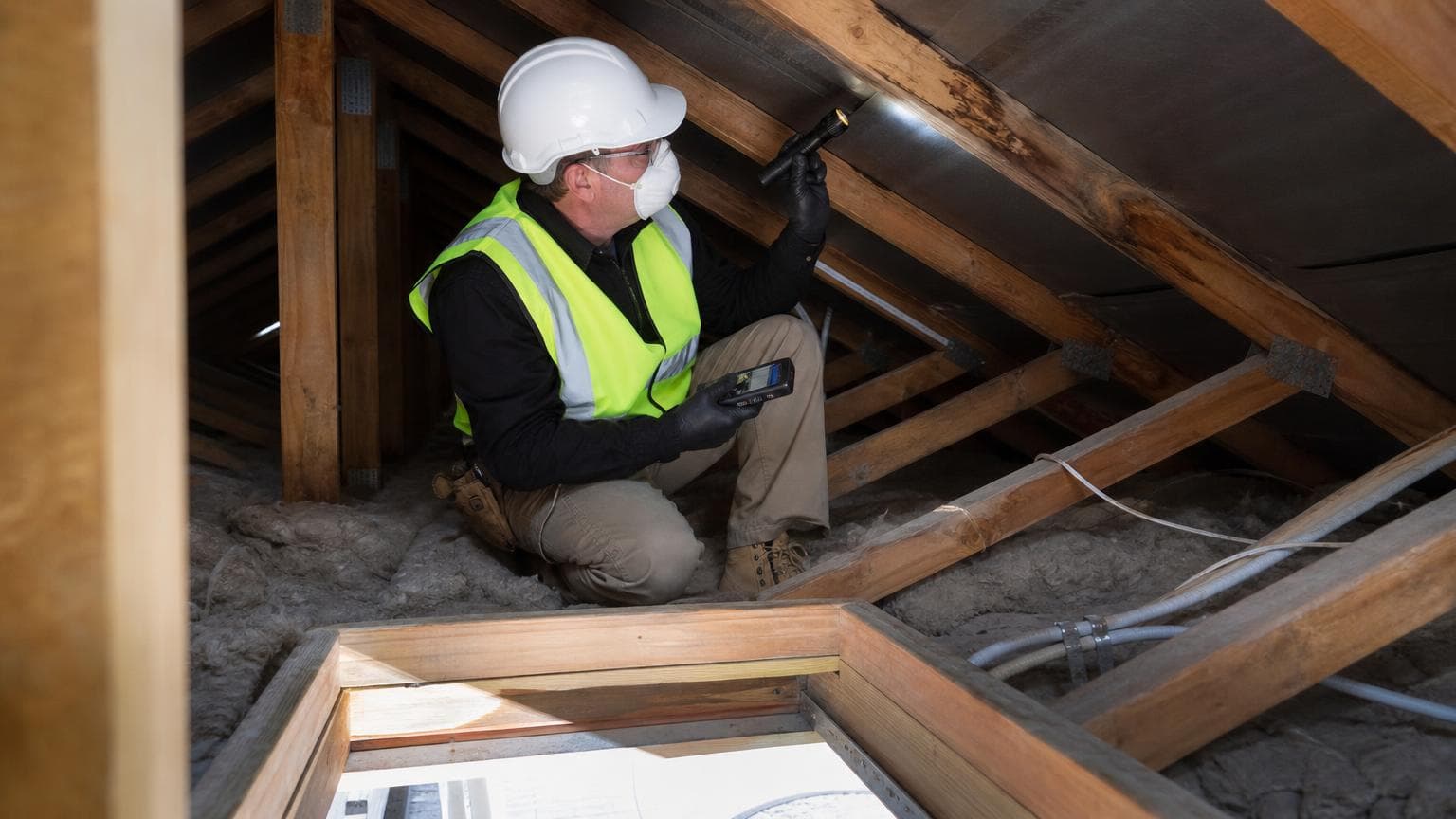
PrimeCheck Inspections uses fully licensed and insured building inspectors with backgrounds in construction, engineering and defect identification. Its reports refer to AS 4349.1 for property inspections and, where relevant to the agreed scope, AS 4349.3 for timber pest inspections. Thermal imaging, an ME5 moisture meter and laser levelling equipment may support the inspection, but equipment does not remove the need for a clear visual record and professional judgement.
Start with the scope, not the brand name. Before booking, ask which areas will be inspected, how access will work, what the report excludes and whether the intended recipient will accept the format. Do not pay for a report until those points appear in writing.
When is a dilapidation report required?
A dilapidation report may be required before construction, demolition, excavation, piling, substantial renovation or other work that could affect nearby property. It may also be requested for a commercial site, a development agreement, a project condition or a dispute-prevention process.
There is no universal rule that makes one necessary for every building project. Check the relevant building permit conditions, council requirements, contract documents and advice from the project professionals involved. The Victorian Building Authority guidance on renovation and building work is a useful starting point, but project documents can impose requirements beyond general guidance. A report is most useful before work starts. Once construction has begun, the inspector cannot document the earlier condition accurately from a later visit.
Ignore this article if you need a decision about a particular permit, contract, court process, engineering cause or repair value. This guidance explains the report's practical purpose, but those questions must be checked against the documents and authority applying to the project.
What the report does not settle
A dilapidation report records observed condition. It does not guarantee that hidden defects will be found, certify that construction caused a later defect or provide a repair quotation. It also will not help much if the relevant area was inaccessible, the photographs lack location context or the pre-work inspection happened after damage occurred.
Cost, timing and the NSW question
Pricing varies depending on the property size, inspection area, number of structures, access, level of detail, location and whether internal areas are included. A Melbourne report and a larger commercial or regional Victorian inspection may therefore require different scopes. PrimeCheck Inspections offers fixed pricing with no hidden costs, but the applicable price still needs to be confirmed for the property and requested scope.
PrimeCheck Inspections services Melbourne and specified Regional Victoria locations, including Geelong, Ballarat, Bendigo and the Mornington Peninsula. It does not inspect properties outside Victoria, so a NSW property requires a provider operating in NSW and advice based on that project's documents and local requirements.
Questions people ask
What is a dilapidation report?
It is a dated, written record of a property's visible condition before nearby work begins, supported by photographs and descriptions of observed defects.
Do neighbours have to get a dilapidation report survey?
No, not automatically. A project condition, agreement or other requirement may change that position, and a neighbour can still arrange an independent record of their property.
What is a dilapidation report for construction?
It establishes a pre-construction baseline that can be compared with the property after construction, helping the parties identify which conditions existed before work.
When is a dilapidation report required?
It may be required by project documents, permit conditions, council processes or an agreement. Confirm the requirement before work begins rather than relying on a general rule.
How much does a dilapidation report cost in Melbourne?
There is no reliable single price. The quote depends on the inspection scope, property type, access, location and reporting detail, so request a scope-specific fixed price.
Where to go from here
Write down the proposed work, the properties or structures that may be affected, the areas that need documenting and the date work is expected to start. Then ask for a written scope that states what the inspector will inspect and what the report will not cover.
If the property is in Melbourne or one of PrimeCheck Inspections' stated Victorian service areas, request an inspection scope and fixed quote from PrimeCheck Inspections. The report can then be prepared around the actual property, access arrangements and purpose rather than a generic checklist.
- Dilapidation Reports
- Building Inspections
- Construction Monitoring
- Property Condition Reports
- Victoria Property Inspections